

Are you Stressed by the Bad News?

5 Ways to Cope with a Constant Stream of Bad News

In today’s world, it feels like every time we turn on the news or check our social media feeds, we’re met with another wave of bad news. From natural disasters and economic crises to political turmoil and personal tragedies, it’s no wonder many of us feel overwhelmed and anxious.

Imagine scrolling through your phone in the morning and being bombarded with distressing headlines before you’ve even had your coffee. It’s enough to make anyone want to crawl back into bed! But don’t worry, you’re not alone in feeling this way. Many of us struggle to stay positive amidst the constant stream of negativity. Luckily, there are practical steps we can take to manage this stress and reclaim our peace of mind. Let’s explore some friendly, research-backed strategies to help you navigate these challenging times and keep your mental health in check.

From natural disasters and humanitarian crises to economic instability and political turmoil, the constant stream of distressing news can take a toll on our mental health. Research shows that prolonged exposure to negative news can increase stress and anxiety, making it crucial to find effective ways to cope.

Overcoming the Stress of Bad News

Limit Your News Consumption

One of the most effective ways to manage stress from bad news is to limit your news consumption. Kelly Bombardiere, Vice President of Enterprise & 988 Crisis Services, advises unfollowing news outlets or muting their notifications to control when and how you receive news. Setting specific times each day or week to catch up on current events can help you stay informed without feeling overwhelmed. Studies suggest that constantly consuming negative news can lead to increased anxiety and a sense of helplessness. By managing your media diet, you can reduce these negative effects .

Seek Accurate and Positive News

In an age of misinformation, it’s important to validate the sources of your news to avoid spreading false information. Additionally, following positive news outlets can help balance the negativity. Platforms like the Good News Network and @goodnews_movement on Instagram focus on uplifting stories that can provide a much-needed break from the constant barrage of bad news. The World Health Organization recommended seeking positive news during the pandemic to help maintain mental health, advice that remains relevant in any crisis .

Focus on Self-Care

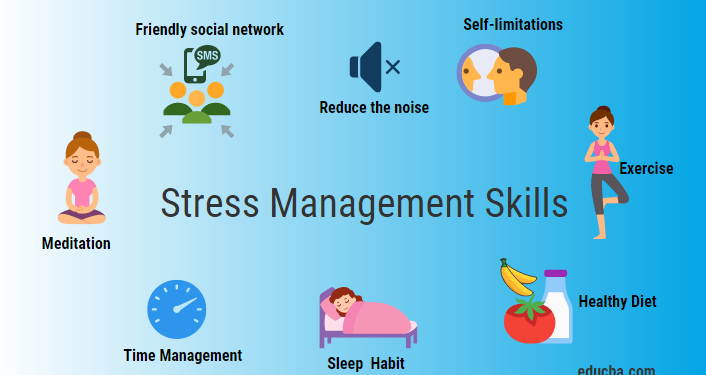
Engaging in activities that bring you joy can help alleviate the stress caused by negative news. This can be as simple as taking a bubble bath, listening to your favorite song, or practicing yoga. Research shows that activities that promote relaxation and joy can significantly reduce stress levels and improve overall well-being.

Practice Gratitude

Maintaining a sense of gratitude can help keep negative news in perspective. It can be challenging to stay positive when faced with constant bad news, but focusing on the good things in your life can provide a sense of balance. Consider getting involved with an organization that supports a cause you’re passionate about. Whether through donating time, money, or goods, helping others can foster a sense of purpose and positivity. Studies have shown that practicing gratitude can enhance well-being and reduce feelings of anxiety.

Embrace Simple Calming Rituals
Sometimes, simple rituals like making a cup of tea can have a calming effect. The act of putting the kettle on, a quintessentially British response to stress, can help lower levels of cortisol, the stress hormone. This small, mindful practice can provide a moment of peace amid the chaos of bad news .

Be Prepared, Not Paralyzed

While it’s important to be aware of potential dangers, dwelling on them can be counterproductive. Cheryl Crowe, Vice President of Behavioral Health at OSF HealthCare, suggests having an emergency response plan but advises against fixating on what could go wrong. Once you have a plan, continue with your daily activities with a healthy sense of caution rather than fear. Being prepared can reduce anxiety, but it’s crucial to not let worst-case scenarios dominate your thoughts.

Unplug from Social Media

Social media can amplify anxiety by constantly exposing us to distressing news. Crowe recommends unplugging from social media when it becomes overwhelming. You can choose to completely disconnect or limit your social media use to specific times each day. Studies indicate that taking breaks from social media can improve mental health by reducing exposure to negative content and allowing time for more positive activities.

Seek Professional Help

If you find it difficult to shake off the anxiety caused by bad news, it might be time to talk to a counselor. A mental health professional can help you process your feelings, develop coping strategies, and regain a sense of control. Prioritizing mental health is crucial for maintaining overall well-being, especially when dealing with a constant stream of negative news.

Conclusion

Living in an era of 24-hour news cycles means we are constantly exposed to bad news, which can significantly impact our mental health. By limiting news consumption, seeking positive stories, practicing self-care and gratitude, and embracing simple calming rituals, we can better manage the stress and anxiety caused by bad news. Being prepared but not paralyzed by potential dangers, unplugging from social media, and seeking professional help when needed are also essential strategies for maintaining mental well-being. Ultimately, it’s about finding a balance that allows you to stay informed without becoming overwhelmed.

Best luck to all of you.

The Relationship Between Tornadoes and Overcoming Personal Stress

A tornado is a narrow, violently rotating air column extending from a thunderstorm to the ground. It’s often hard to see because the wind is invisible unless it picks up water droplets, dust, and debris, forming a visible funnel. Tornadoes are among the most violent atmospheric phenomena, capable of causing immense destruction. They occur in various parts of the world, with about 1,200 tornadoes hitting the U.S. each year, particularly in an area known as Tornado Alley.

Tornadoes as a Metaphor for Personal Stress

Violent and Unpredictable Nature: Just as tornadoes can suddenly form and bring violent, unpredictable changes, personal stress can also appear abruptly, often triggered by unforeseen life events such as job loss, health issues, or relationship problems. Both tornadoes and personal stress can disrupt the normal flow of life, causing chaos and requiring significant effort to manage and recover from.

Invisible but Real: Tornadoes are often invisible until they pick up debris, similar to how stress can be an invisible force affecting our lives. People might not immediately recognize the signs of stress until its effects start to manifest physically and emotionally, like headaches, anxiety, or irritability. Acknowledging the presence of stress is the first step toward managing it, just as recognizing a tornado is essential for taking protective actions.

Concentration and Frequency: Tornadoes are most frequent in certain areas, like Tornado Alley. Similarly, stress can be more prevalent in certain “areas” of our lives, such as high-pressure jobs or challenging family dynamics. Recognizing these high-stress areas allows individuals to focus on mitigating their impact, much like how tornado-prone regions have specific safety protocols.

Preparation and Response: In tornado-prone areas, preparation is key to minimizing damage. People have plans, shelters, and emergency kits ready. In personal life, developing coping mechanisms, such as mindfulness, exercise, or seeking support, prepares individuals to handle stress when it arises. Just as communities conduct tornado drills, individuals can practice stress management techniques regularly to stay resilient. If we wait until stress strikes, it is usually too late. I had my first heart attack at age 43 and stress was the major cause. I had to learn to slow down, begin exercising, and rethink my priorities. Part of this was learning to not get upset over ever hassle or problem in my life but realize that most of these things was not that important.

Rebuilding After Destruction: After a tornado, communities come together to rebuild and recover. This collective effort mirrors how individuals can overcome personal stress by seeking support from friends, family, or professionals. Personally, because my marriage and children were the most important aspect of my life, I started dedicating more time to the family rather than working twelve hours a day. This also meant learning to listen and respond to their needs. As a result, I have become a better person and as I support my wife, she totally supports me. The rebuilding process might be slow and challenging, but with perseverance and support, recovery is possible. The aftermath of both tornadoes and personal stress can lead to stronger, more resilient structures and individuals.

Conclusion

Tornadoes serve as a powerful metaphor for understanding and overcoming personal stress. Both are violent, unpredictable forces that can disrupt life, but their impact can be managed with recognition, preparation, and support. Just as communities prepare for and respond to tornadoes, individuals can develop strategies to cope with and recover from stress, emerging stronger and more resilient. In our next blog we will examine some ways we can better manage our stress.

What Sets My Books Apart From Others? 

Although probably for many readers I have overdone the details of the scientific theories or experiments explained in the books, but my desire is that they understand that it is not just my opinion or experience on the subject but a body of research from many parts of the world that has come to these conclusions. The exercises are an essential part of the books because without practice it is difficult to change your life, and that is what these books are about changing your life to have more joy and happiness. I have added some key personal experiences that influenced my life and hope that the readers see that I know some of the feelings and problems that they have. If I could overcome them then just about anyone can, because I am not some special genius. I have included some charts and picture to break up the monotony of my writing and clarify some points, which I hope is worthwhile for the reader.

Key Features or Aspects of My Books

There are many books written on happiness but very few are based on scientific studies. Too many are “feel good” books that can be written with a minimum of effort but which I don’t believe really help in the long run. I have tried to use everything that science in general and positive psychology in particular has discovered in the last 50 years and apply it to resolving personal problems that I have experienced and that I have seen many others live through. The exercises in the books are key aspects for helping the reader change their way of thinking, and change their behavior to find joy in their life as I have found it in mine.

A Message To The Young Readers Of My Books

I just read a report from the government that indicates that the latest generation of youth who have suffered through the Pandemic has more anxiety, depression and a lost sense of purpose than any previous generation. My books are especially directed to those who have lost faith in the world around them to send them the message that they do have a purpose in life. They can flourish by making this earth a better place to live. I have great faith in the youth of today and believe that they will transform this world if they find the inner courage and direction to do it. My hope is that these books can help them move in that direction.

What Advantages Will The World Gain From My Books? 

Unfortunately, there are many people who are stuck in a life of routine, with so-so relationships and jobs that produce very little joy. Having suffered from depression and stagnation myself, my goal is to indicate a path forward towards a more fulfilling life. My book You Deserve to Be Happy, explains why so many of us sabotage our efforts to be happy and successful, and clarifies the steps needed to overcome what is often a lack of self-esteem or unconscious conflicts from childhood. My recent book on Flourishing explains how everyone can achieve a life of fulfillment and joy. It stimulates the reader to evaluate their life and find areas in which they can continue to grow. It focuses on the fact that we must all find our purpose in life and then pursue using our creativity and unique abilities. This is what leads to a life of “flourishing”.

The Motivation Behind Writing These books and The Impact It Can Have on Others

I had an experience a year ago when I had a heart attack and nearly died. I decided then that I wanted to leave a legacy for my children and grandchildren and help the world in a small way. As a result, I began writing books. Since I was a psychotherapist for almost fifty years, I naturally was drawn towards the problems that I most frequently encountered in my profession, too many people are unhappy with their life and have not fulfilled their potential. I believe that God placed us on this earth to make the world a better place and we all need to find how we can contribute to that cause.

 The Benefits of Reading as a Habit

When I was six years old our TV broke down and my mother decided to not have it fixed. As a result from that age on I have always read books, sometimes as many as five or six per week. It pleases me to learn that almost all great men and women in our society are voracious readers. Reading allows us time to contemplate and investigate a subject or an idea, and to not be superficial. Nietzsche wrote “What is a book that does not take you beyond all books.” My books are not to be just read, but I provide exercises to perform to put into practice the concepts. It is like a recipe book where you have to cook it to appreciate the recipe.

Key Values and Skills That Parents Should Impart To Their Children

The key values that parents should teach their children are those that our society is losing. They need to teach a sense of community. We are all together on this planet and we should be looking out for each other, not arguing, predominating or hating one another. One of the key aspects related to personal happiness is giving to others. Parents should teach their children that caring for others is good not for those who receive it but for our own feelings of worth. Another quality strongly linked to personal happiness is gratitude. Learning to count our blessing makes us more aware of the good aspects of our life. Even though we have poor role models in our politicians we should teach them that they can only be proud of themselves when they are honest and face life with courage in the midst of adversity. These values can only be taught by example.